
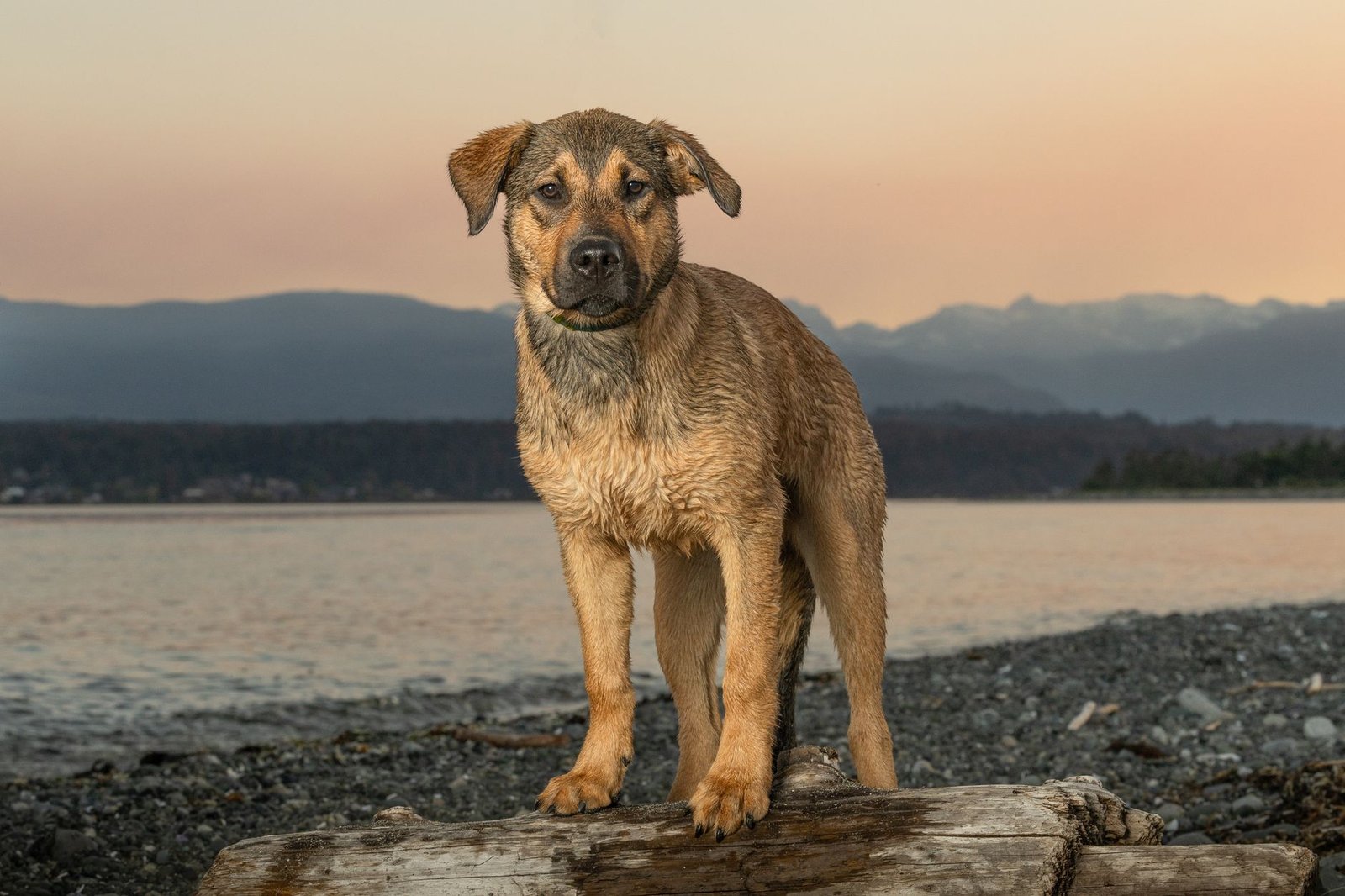
Blue-green algae, or cyanobacteria, can be rapidly fatal to dogs. Blooms peak on warm, slow-moving BC lakes and ponds in August and September. Some toxins cause collapse within minutes; others damage the liver over hours or days. A single lick of a wet coat is enough. Treat any suspected exposure as a same-hour emergency.
Why August and September Are Peak Bloom Months on BC Lakes
Cyanobacteria are not true algae. They are bacteria that live in fresh water year round, usually in numbers far too low to matter. Late summer changes that arithmetic quickly.
Long daylight, warm surface water, low rainfall and calm, windless conditions let the population multiply into a visible bloom, sometimes over a single weekend. That is why advisories across the Lower Mainland cluster in August and September rather than in spring.
Shallow, slow-moving or landlocked water warms fastest, so ponds, sheltered bays and the still ends of lakes carry more risk than a fast-moving river or the open ocean. Nutrient runoff from the surrounding land feeds the bloom further, which is why small urban and suburban ponds can be affected as readily as big recreational lakes.
For families in South Vancouver, the exposure almost never happens at home. It happens on a day trip. A hot Saturday sends people from Sunset and the blocks around Fraser Street out to Deer Lake, Sasamat Lake, Buntzen Lake or Cultus Lake, and the dog is in the water before anyone has looked at it properly. The same run of hot weather that raises heatstroke risk is the weather that grows blooms, and a hot dog drinks more lake water than a cool one.
What a Bloom Looks Like, and Why Clear Water Is Not Proof of Safety
Descriptions of blue-green algae vary because blooms genuinely do look different from day to day. The most familiar version is a paint-like scum on the surface, as though a tin of turquoise paint had been tipped into the water. Others look like:
- grass clippings or fine green flecks suspended just under the surface
- thick pea soup, where you cannot see your own feet in ankle-deep water
- a metallic blue-green, olive or reddish sheen, usually brightest along the downwind shore
- dried blue-green or whitish crust on rocks, logs and the waterline after the level drops
- a musty, earthy or unusually sharp smell close to the shore
Wind pushes a bloom into corners and coves, so one end of a lake can look filthy while the main swimming beach looks inviting. Cells also rise and sink through the day, which means the water you inspected at nine in the morning is not necessarily the water your dog swims in at three in the afternoon.
Most importantly, clear water is not a clean bill of health. Toxins are released as cells break down, so they can linger after the visible scum has dispersed or been broken up by rain and wind. A bloom that collapsed two days ago can leave behind a lake that looks completely ordinary. Posted advisories are more reliable than your own eyes, and a dog cannot tell the difference at all.
Two Toxin Families, Two Very Different Timelines
This is the part that catches owners out. Cyanobacteria produce more than one kind of toxin, and the two main families behave nothing alike.
Neurotoxic compounds act fast. Signs can appear within minutes and typically within about an hour: drooling, stumbling or a drunk-looking gait, muscle tremors, rigid or weak limbs, vomiting, seizures, laboured breathing and collapse. There is very little runway here, which is the strongest single argument for driving to a hospital rather than watching and waiting at home. If you have read our guide to seizures in dogs and cats, the same rule holds: a seizure with a known toxin exposure is an emergency, not a wait-and-see.
Hepatotoxic compounds target the liver and move far more slowly. Signs may not surface for several hours and can be delayed a day or more: vomiting, diarrhea, dark or tarry stool, loss of appetite, weakness, pale or yellow-tinged gums, bruising, and a dog who simply seems off. Because that delay is real, a dog who looks completely normal two hours after a swim has not cleared the risk. Our overview of liver disease in dogs explains how quietly liver trouble can build before it becomes obvious.
Both timelines call for veterinary assessment rather than guesswork at the kitchen table. In-house pet diagnostics including bloodwork, clotting times and imaging let our team track liver values and organ function across the hours that matter, and repeated testing is often far more informative than a single snapshot taken on arrival.
Why One Lick of a Wet Coat Is Enough Exposure
Your dog does not have to drink from the lake to be exposed. Swimming through a bloom coats the fur, and dogs groom themselves. A shake on the shore followed by ten minutes of licking a wet flank, chewing damp paws or nibbling at a tail is a meaningful dose, and it lands especially hard on a small dog, where the same quantity of toxin is spread over far less body weight.
Other exposure routes are easy to overlook:
- fetching a ball or stick that has been dragged through surface scum
- drinking from the lake because the day is hot and the water bottle is empty
- eating dried crust, washed-up mats or algal debris at the waterline, which can be more concentrated than the water itself
- wading only to the belly, then rolling in shoreline mud on the way back to the car
Cats are far less likely to swim, but the same grooming logic applies to any animal who walks through contaminated shallows or damp shoreline and then cleans themselves afterwards.
Why This Is a Same-Hour Emergency, and What Not to Do
There is no home remedy for blue-green algae, no safe household antidote, and no reliable way to judge the dose from the outside. Do not try to make your dog vomit. Do not give any human medication, charcoal product or supplement by mouth. Do not spend time bathing your dog at home while the clock runs.
What genuinely helps in the first hour is short. Stop your dog from licking or grooming any further, keep them well away from the water, and get to a veterinary hospital straight away. Call on the way so the team is ready for you, and if you can do it safely, photograph the water and note the name of the lake or pond.
Atlas Animal Hospital is open around the clock with a veterinarian always on-site, so 24/7 emergency veterinary services are available for a Sunday evening swim exactly as they are for a Tuesday morning one. Care for suspected cyanobacteria exposure is supportive and time-sensitive: decontamination performed by the veterinary team, fluid support, liver and neurological support, and close monitoring. Outcomes depend heavily on which toxin was involved and how quickly treatment begins, which is precisely why the drive should start now rather than after breakfast. Our medical services team continues that monitoring for as long as your dog needs it.
If you are not sure whether what you saw counts, treat it the way you would treat any suspected poisoning. Our guides to common household pet poisons and recognizing after-hours pet emergencies land on the same conclusion: the risk of waiting outweighs the inconvenience of a trip that turns out to be unnecessary.
How to Check Advisories Before Your Dog Gets in the Water
A two-minute check before you leave the house prevents most of this.
- Look up current water advisories from the regional health authority covering your destination, and check whether a bloom notice is active.
- Check the park operator separately, because regional park and provincial park pages post beach closures and bloom notices independently of the health authority.
- Read the signage at the parking lot, the boat launch and the beach entrance when you arrive, and believe it even when the water looks fine.
- Walk the shoreline before you unclip the leash, and check the downwind end where scum collects.
- Carry enough fresh water that your dog never needs to drink from the lake.
- When in doubt, pick moving water, a hose in the yard or a shallow paddling pool at home instead.
Blue-green algae is worth raising at your dog’s routine visit as well, particularly for retrievers, water-loving breeds and any dog who spends late-summer weekends outside the city. Our pet care services team can talk through seasonal risk alongside the rest of your dog’s preventive plan, so August arrives with a plan already in place.
Frequently Asked Questions
How quickly can blue-green algae affect a dog?
It depends entirely on the toxin. Neurotoxic compounds can produce tremors, stumbling, seizures or collapse within minutes to an hour of exposure, while liver-damaging compounds may take several hours to more than a day to show. Because you cannot tell which one is present, any suspected exposure warrants same-hour assessment.
Can my dog get sick if the lake water looked clear?
Yes. Toxins are released when cyanobacteria cells break down, so water can remain unsafe after the visible scum has dispersed, sunk or been broken up by wind and rain. Blooms also shift with the wind and time of day, so a clean-looking beach at noon is not a guarantee.
My dog swam where there was a bloom but seems completely fine. What now?
Please have your dog assessed rather than monitored at home. The liver-damaging form of this poisoning is genuinely delayed, so a normal-looking dog two hours after a swim tells you very little. Stop any further licking or grooming, keep your dog away from the water, and come in.
Is blue-green algae dangerous to cats too?
Yes, though exposure is much rarer because most cats avoid swimming. The risk route is the same: walking through contaminated shallows or damp shoreline and then grooming. Any cat with known access to a bloom-affected pond who is drooling, vomiting, weak or unsteady needs to be seen promptly.
How do I check for blue-green algae advisories near Vancouver?
Check your destination’s regional health authority for current water advisories and the park operator’s page for beach closures, since the two are posted separately. Then read the on-site signage when you arrive. Advisories are more reliable than a visual check, but neither replaces keeping your dog out of suspect water.
Suspect a Bloom? Walk In, Any Hour
Suspected blue-green algae exposure belongs in a hospital the same hour it happens, not the next morning. Atlas Animal Hospital on Fraser Street in South Vancouver is open 24 hours a day, seven days a week, with a veterinarian on-site and no appointment needed. Bring your dog straight in, or call ahead so the team can prepare for your arrival: emergency veterinary services in Vancouver.
Published by the team at Atlas Animal Hospital.
This article is educational content only and is not a substitute for an in-person veterinary exam, diagnosis or treatment. If you have an urgent concern about your pet, contact Atlas Animal Hospital or your nearest emergency veterinary hospital right away.
Atlas Animal Hospital
5696 Fraser Street, Vancouver, BC V5W 2Z4
+1 (604) 301-0300
atlasvethosp@gmail.com
Hours: Open 24/7