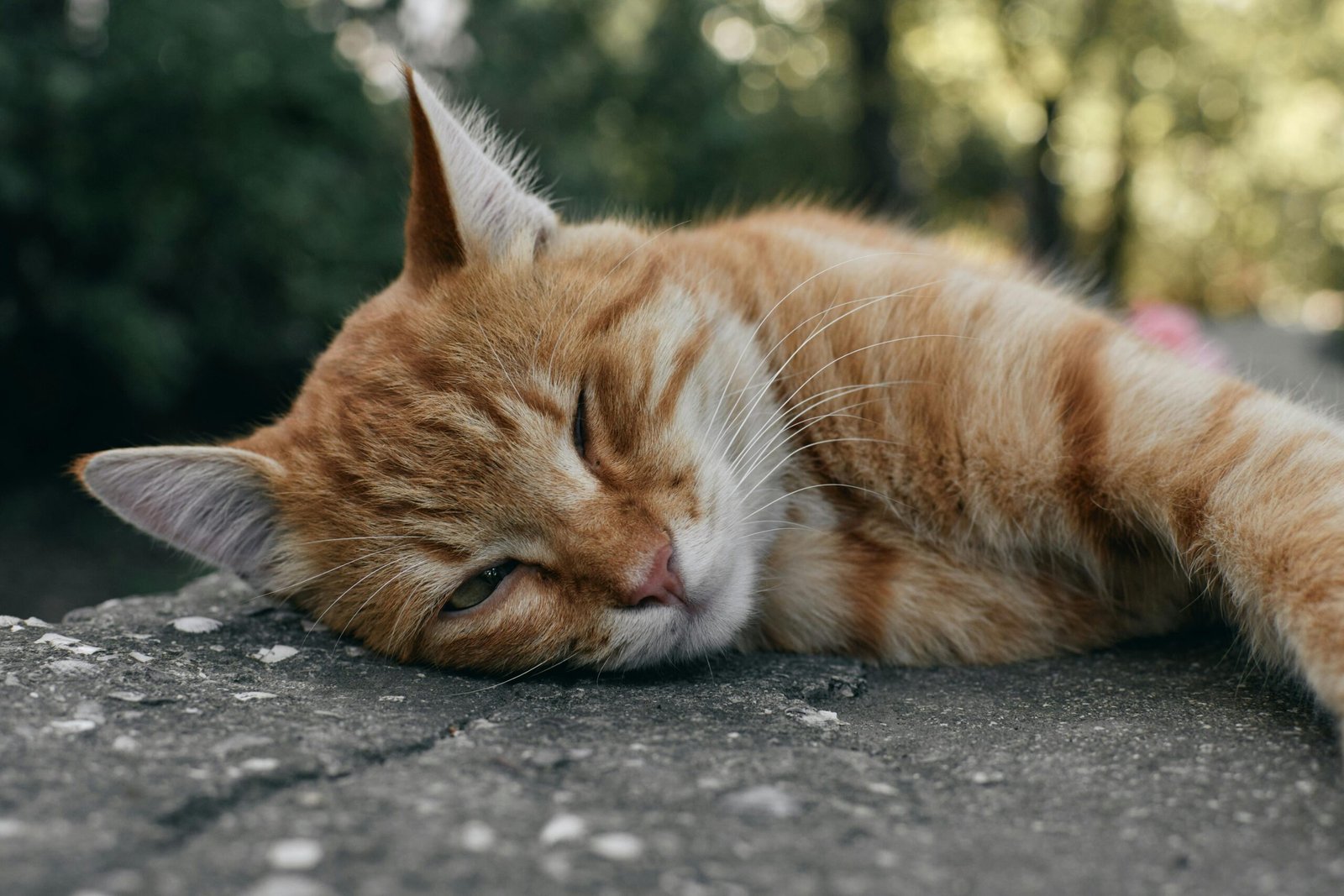
Indoor cats live longer, safer lives, but that safety often comes with an unintended side effect: weight gain. At Atlas Animal Hospital, we see many well loved indoor cats who slowly become overweight without their owners realizing the health risks that come with it. Obesity in cats is not just a cosmetic issue. It is a medical condition that increases the risk of several serious diseases and can significantly affect both lifespan and quality of life.
Understanding how obesity develops and what it leads to can help you protect your cat long before problems become advanced.
Why Indoor Cats Gain Weight So Easily
Indoor cats burn far fewer calories than outdoor cats. They are not roaming, hunting, or climbing the way cats naturally would. At the same time, many indoor cats have constant access to food, calorie dense treats, and very little structured play.
Spaying or neutering lowers a cat’s calorie needs, but feeding habits often stay the same. As cats age, their metabolism slows down even more. Boredom eating is another major factor. Cats may eat not because they are hungry, but because food is available and stimulation is limited. Weight gain happens gradually, making it easy to overlook until health issues appear.
Diabetes Mellitus In Overweight Cats
Obesity is the single biggest risk factor for diabetes in cats. Excess body fat interferes with how insulin works, causing blood sugar levels to rise.
Early Signs Of Diabetes To Watch For
Increased thirst and urination
Increased appetite with unexplained weight loss
Reduced energy or interest in play
Weakness in the hind legs
Diabetes can often be managed well if detected early. In some cases, weight loss and dietary adjustments can significantly improve or even reverse the condition. Once diabetes progresses, lifelong insulin therapy and regular monitoring may be needed.
Joint Disease And Reduced Mobility
Extra weight places constant stress on a cat’s joints. Cats are built for jumping and climbing, and even mild joint discomfort can lead to noticeable behavioral changes that owners may not immediately link to pain.
Overweight cats are more likely to develop arthritis earlier in life. They may stop jumping onto furniture, hesitate to climb stairs, or avoid movement altogether. Once activity decreases due to joint pain, weight gain can accelerate further, creating a cycle that becomes harder to break.
Urinary And Bladder Problems
Obesity increases the risk of feline lower urinary tract disease. Overweight cats typically move less, drink less water, and urinate less frequently. This combination increases the likelihood of bladder inflammation, crystal formation, and painful blockages.
Urinary issues can progress quickly and may become life threatening, especially in male cats. Maintaining a healthy weight encourages movement, better hydration, and healthier urinary habits.
Liver Disease And Fatty Liver Syndrome
Obese cats are at higher risk for hepatic lipidosis, also known as fatty liver disease. This condition can develop when an overweight cat suddenly stops eating due to stress, illness, or overly aggressive calorie restriction.
When fat is rapidly mobilized, it accumulates in the liver and interferes with normal liver function. Fatty liver disease is serious and requires immediate veterinary treatment. This is why any weight loss plan for cats should be gradual and medically supervised.
Breathing And Grooming Difficulties
Excess fat around the chest and abdomen can make normal breathing more difficult, especially during physical activity or warm weather. Obesity can worsen existing respiratory issues and reduce overall stamina.
Overweight cats also struggle with self grooming. Limited flexibility prevents proper grooming, leading to mats, dandruff, and skin infections. Poor coat condition is often an early sign that excess weight is affecting daily comfort.
How To Help Your Indoor Cat Maintain A Healthy Weight
Preventing obesity does not require drastic changes. Small, consistent adjustments make a meaningful difference over time.
Simple Steps That Support Healthy Weight
Measure meals instead of free feeding
Choose diets designed for indoor or weight management needs
Schedule daily interactive play sessions
Use puzzle feeders to slow eating and increase activity
Track weight during routine wellness visits
Your veterinarian can help identify a healthy target weight and create a plan that fits your cat’s lifestyle and medical needs.
When To Seek Veterinary Support
If your cat is gaining weight, becoming less active, or showing any of the signs discussed above, a veterinary exam is recommended. Early support can prevent disease rather than manage it later.
At Atlas Animal Hospital, we partner with cat owners to build realistic, compassionate weight management plans focused on long term health and comfort. To book an appointment or discuss concerns about your indoor cat, call (604) 301-0300.